
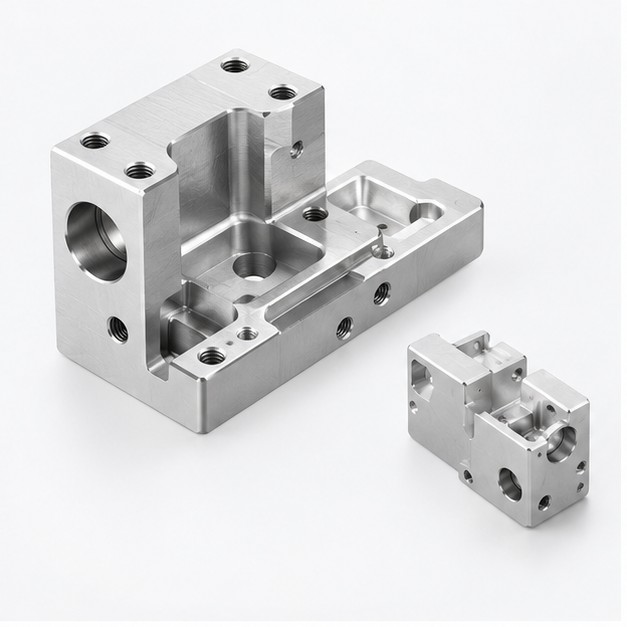
Custom Cabinet Hardware Development Guide 2026 | OEM Tooling & Sampling
How custom cabinet hardware is developed: which route to take, what tooling buys, drawing and tolerance practice, sampling and first-article approval.
Industry news and sourcing guides for cabinet & furniture hardware buyers.
How custom cabinet hardware is developed: which route to take, what tooling buys, drawing and tolerance practice, sampling and first-article approval.
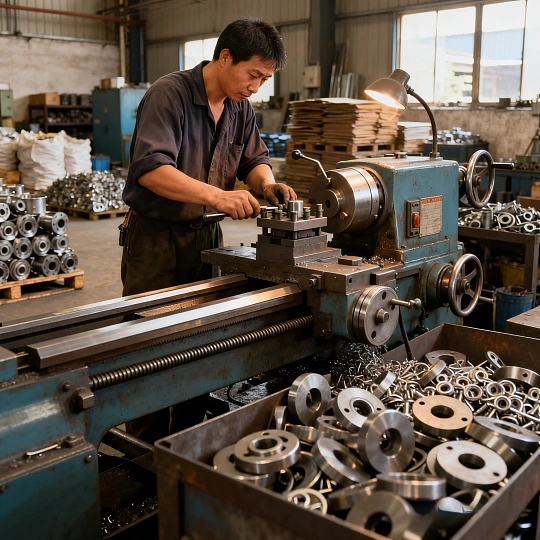
How to build a cabinet hardware schedule, count quantities and allowances, and read a hardware quotation line by line — with the fields that stop quiet downgrades.
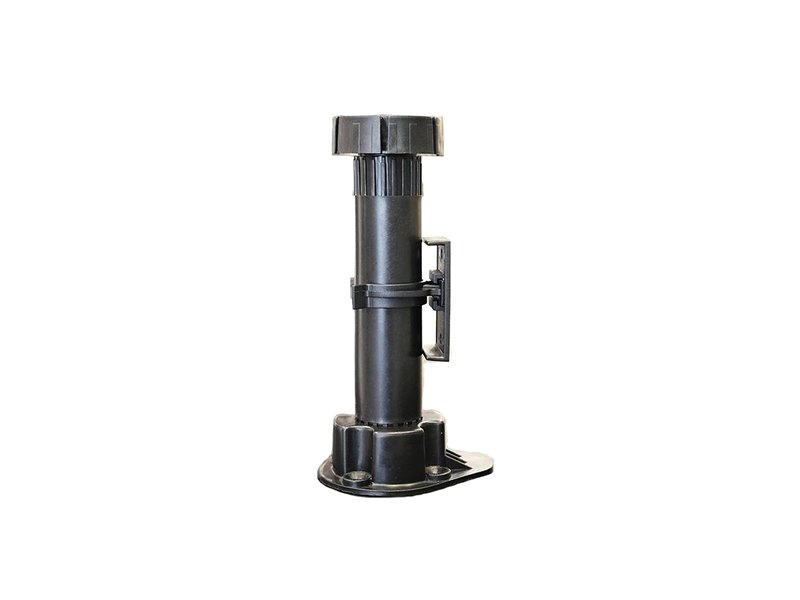
How to specify furniture casters, glides and leveling feet: load calculation, wheel materials, bearings, brakes, mounting, failure modes and RFQ wording.
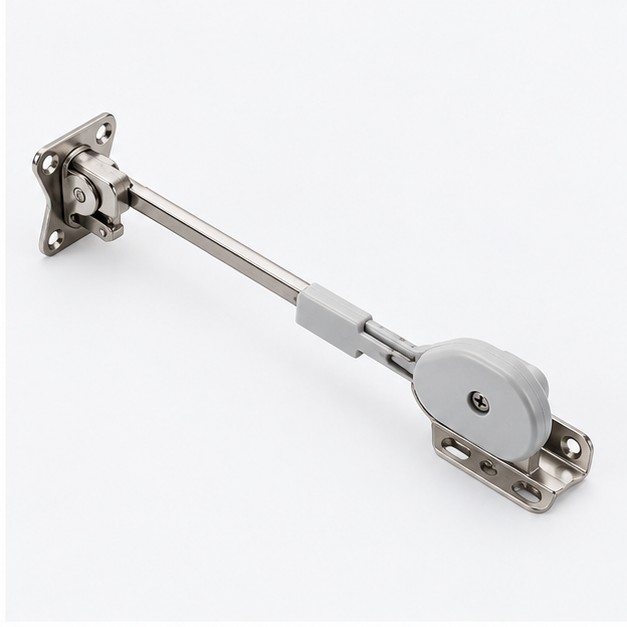
How lift-up cabinet doors actually work: gas strut force and sizing, flap stays, servo drives, geometry, failure modes, RFQ wording and incoming checks.
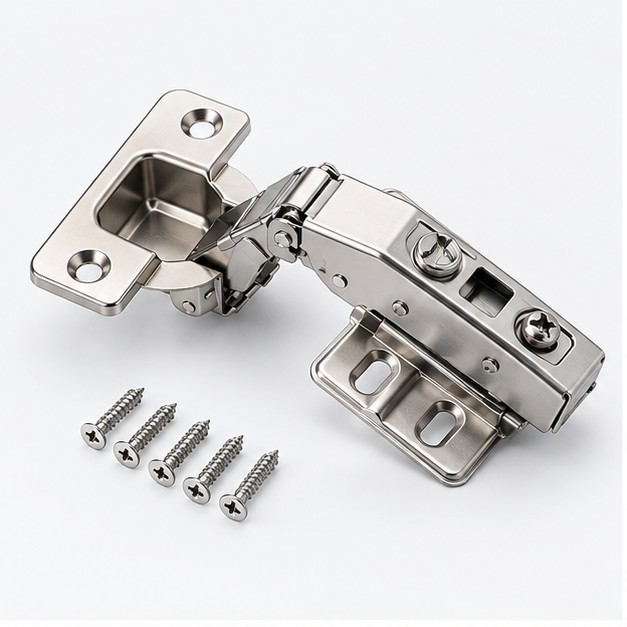
How soft-close hinges and slides actually work: damper types, temperature effects, door-weight matching, cycle-life testing, failure modes and RFQ wording.
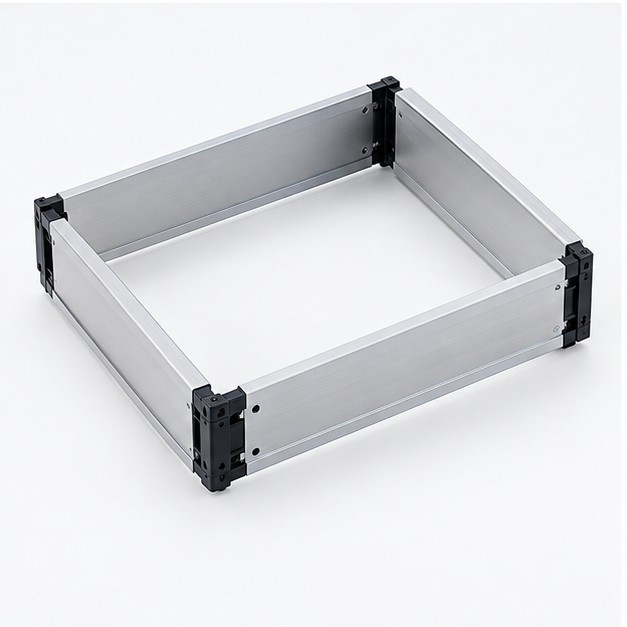
Specify kitchen storage hardware: pull-out basket widths, runner load ratings, carousel vs magic corner, tall-unit frames and waste bins, plus an RFQ checklist.
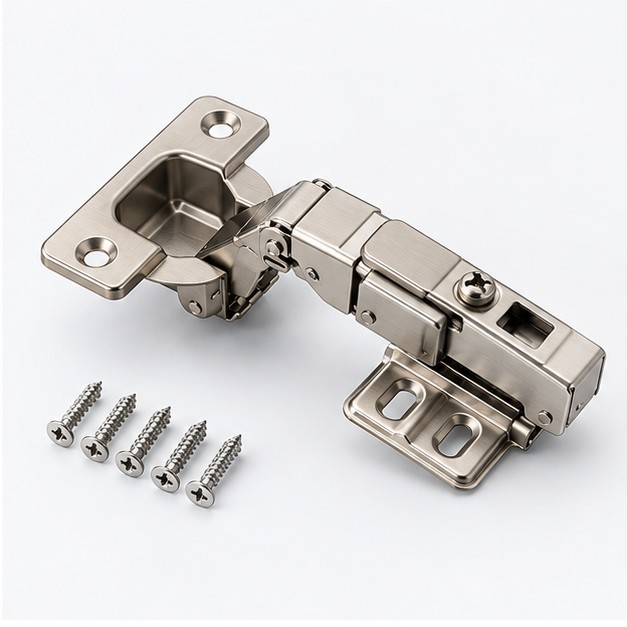
A 2026 technical guide to cabinet hinge geometry — full overlay, half overlay and inset, how hinge angle changes opening clearance, cup boring and edge distance, base plate heights and their effect on overlay, worked calculation examples, and the mistakes that cause rubbing doors and uneven gaps.
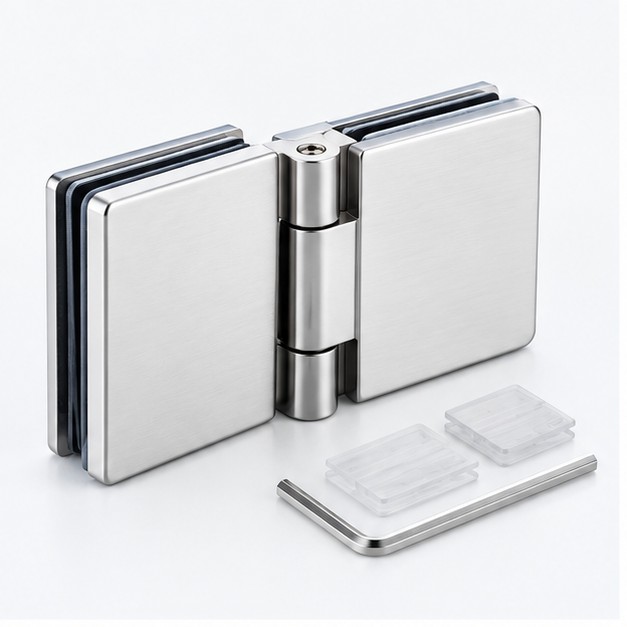
How to specify vanity hardware for wet rooms: 304 stainless hinges, undermount slides that clear the plumbing, mirror-cabinet glass hinges, finishes that survive descalers — plus an RFQ checklist.
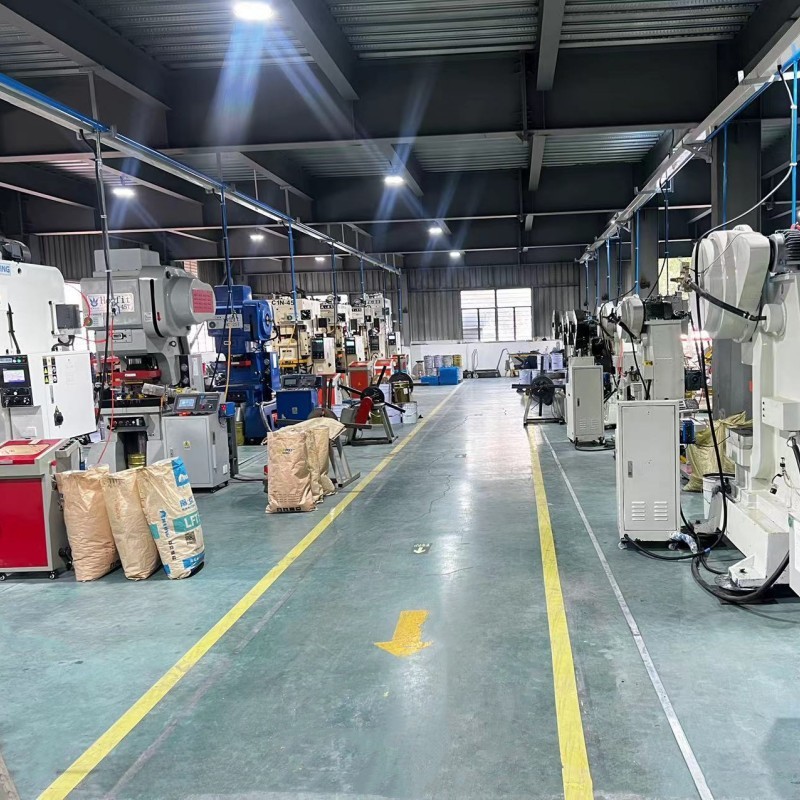
A 2026 planning guide for hardware distributors and importers — ABC classification, safety stock and reorder point formulas worked through with numbers, order cycles and mixed-container rhythm, seasonality, slow movers and obsolescence, and the five stocking mistakes that tie up cash.
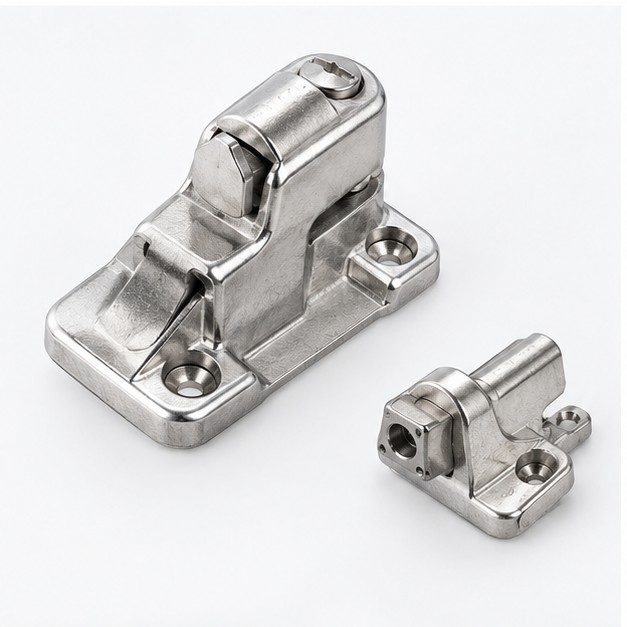
How cabinet hardware materials are chosen: 304 vs 201 vs 430 stainless, zinc alloy die casting, cold-rolled steel, aluminium and brass — corrosion, load, cost and how to write the spec.